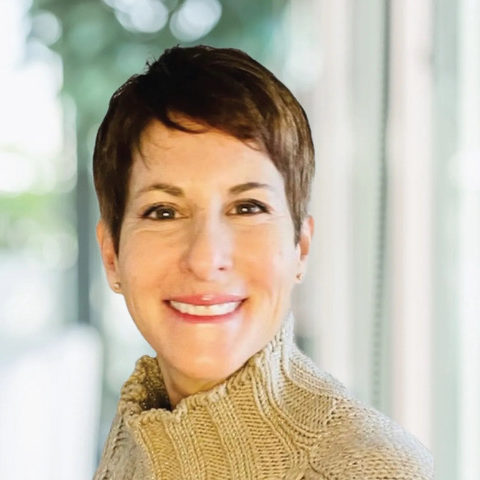
Nutrition Unfiltered: Abby Langer Breaks Down the Myths, the Marketing, and the Truth About What You Eat
Interview with Amy Goldberg, editor-in-chief
Nutrition Month is noisy. Every March, the wellness world gets louder; more rules, more trends, more “miracle fixes” shouting for attention. But in the middle of all that noise, there’s one voice that cuts through with clarity, courage, and a refreshing dose of common sense: Abby Langer RD.
Abby has built her career on debunking nonsense and giving people the truth about food; without fear, without fluff, and without apology. She’s a registered dietitian who refuses to be swept up in fads. She pushes back against shame-based “wellness,” calls out misinformation when she sees it, and advocates for a relationship with food rooted in science, sanity, and self-respect.
It’s a privilege to gain new insights from Abby, because real wellness isn’t about perfection. It’s about honesty, discernment, and learning to trust yourself again.
This conversation does exactly that.
You’ve made a career out of calling out nutrition myths. What’s one belief people cling to the hardest, even when the science says otherwise?
I think that one belief that people hold onto even though science says, otherwise is that weight and weight loss are simple. This is partially the fault of the diet industry, which creates an narrative that with their diet or supplement or whatever they’re selling, weight loss will be effortless and simple, but it is never that way.
Nutrition Month can feel like an information overload. What’s one thing you wish everyone would stop paying attention to, and one thing you wish they’d start?
I wish people would stop paying attention to the wellness industry, which is mostly focussed on lining its own pockets versus actually making people healthier. One thing that I wish that people would pay more attention to are the nutrition basics: more fruits, and vegetables, more fiber, less alcohol, less sugar, less to process food, more consistency, less takeout, more joy, less punishment.
You’re outspoken about harmful wellness culture. What’s the biggest red flag you see right now in the “healthy living” space?
There are so many red flags right now, but I think the one thing that I’ve been seeing lately that is really concerning is the rise in popularity of injectable peptides, excluding regulated GLP one agonist medications prescribed by a physician for those people who qualify. The peptides that I am talking about are sold on the black market online, they are not regulated, and in most cases are illegal for use outside of research purposes. I have no idea what would possess a person to inject themselves with something that they got from someone online who they don’t know, and or an unregulated pharmacy. This is your life and you only get one. Please do not risk it because some random person told you that a little vial of peptides can help with anti-aging or weight loss. Not worth it.
You often challenge extremes. Why do you think so many people gravitate toward all-or-nothing approaches when it comes to food?
It’s because they have been taught to believe that perfection exists in nutrition and the reality is that perfection does not exist anywhere, especially in nutrition. The greatest predictor for someone being successful with health and weight loss and everything else nutrition related, is their ability to be flexible, The understanding that some days a weeks and sometimes even months will not be aligned in terms of eating habits with your goals, and their ability to understand that, and not let it affect their eating habits for the long-term. If you fall off of your regimen, then you just need to get back to it as soon as possible. Life throws all sorts of challenges our way and it’s really impossible to eat in a way that is aligned with your goals every single day for the rest of your life.
What’s a conversation about nutrition that women aren’t having enough, and why does it matter?
I think that the conversation that women are not having enough about nutrition, is why we feel the need to submit ourselves to diet and restriction in the name of appearance norms that have been set for us. Especially as we age, but in fact, for our entire lifespan, women are told that we need to look a certain way, which is generally thin and attractive, and while many women will blame the patriarchy for this, I see that it is, in fact, now women who are perpetuating this way of thinking and policing other women about it.
If you could rewrite the rules of how we talk about weight, health, and eating, where would you start?
I would start by creating a rule where you cannot make comments about another person‘s body no matter how positive or how negative those comments are. I would also make a rule about talking about weight and diets as a focus of conversation when we’re with our friends because it is so boring and nobody cares how much weight you’ve lost and that you did it on the carnivore diet. I would really encourage the narrative to slant towards respect for all bodies, and an awareness of when we as women are being sold unrealistic expectations for our bodies and our eating.
You’re known for your no-BS communication style. Have you ever faced pushback for being so direct, and how do you navigate it?
Yes, absolutely I face pushback a lot for the stuff I post but it’s because people seem to at least in part make diet a part of their identity. So, when I say something negative about what they are eating or with a diet that they’re following as a person who promotes that diet, people take it personally. How do I manage it? I generally will just leave those comments or if they’re exceptionally vile, I will delete them and mute the person, so they are essentially yelling into the ether. But I do read all of the comments that I get, and I am open to changing my mind and my practice, when new research comes out or I learn something that I didn’t know. So, it is not as though I intentionally stonewall people who think differently from me, however, most of the comments that I get that are pushing back or not ones that contain new and exciting research they are just from people who want to tell me to fuck off.
What’s one nutrition trend that genuinely frustrates you, and one that actually has some merit?
The trend that frustrates me is longevity because it’s all based on anecdotes and rat studies and imagination. Yet there are people who are making huge bucks by selling longevity, supplements, and wellness therapies and blood test and it’s all a huge racket.
I’d say that the one trend in nutrition that has a merit is that many people are trying to eat more fibre and that is amazing. Fibre is like the holy Grail for health and nine out of 10 of us don’t get enough of it so we need to do better with that. However, I don’t mean going to extremes either but knowing that women need 25 g of fibre a day and men need 38 and trying to achieve those numbers instead of eating much fibre as humanly possible and making yourself sick.
We’re surrounded by content telling women what they “should” or “shouldn’t” eat. How can someone rebuild trust with their own body and instincts?
I mean, I think the best way to do that is to first understand where those voices are coming from. It’s also important to understand that when you see someone that saying that all women should eat X that is a person who you do not want to listen to. Our bodies are all different or health histories are all different. Our genetics are all different. I think we see people online who sound authoritative and we think they look good and we want to have what they have and so we follow their recommendations when they say that women should eat certain foods and not others. But the truth is that the content creators who make content like that are mostly unqualified because qualified people, such as dieticians would rarely make a blanket statement about what every single woman in the world should be eating. It’s just ridiculous. So, realizing that and then backing away from everything that you’ve been told over the years about what you shouldn’t eat. Just giving yourself like two or three weeks where you promise yourself you were not going to follow any of those old rules that probably never worked in the first place, and things that you love, honor, or hunger on fulness cues, and maybe speak to a dietician who can help you in that journey because it is a process.
What do you see as the future of nutrition? More tech? More science? Or maybe more going back to basics?
I’m really hoping it’s a combination of both actually. Back to basics like more fibre more plants fewer self-proclaimed experts, who are not experts, telling us what we should eat and selling us wellness garbage.
But I do think technology can play a very important part in us moving forward in the nutrition world. For example, nutrition research is evolving and one area where we need to make more progress is in gut health. gut health is used as a nutrition trend to sell products that are unproven, and it has become somewhat of a buzz word, but we are only at the tip of the iceberg where our gut and its effect on our health and our bodies in general are concerned. Technology has also allowed us to bring a GLP one agonist medications into the world, and those are helping so many people enjoy life and live longer quite possibly. So, you can’t stop attack or science, and in fact should never want to, but combining it with the basics I think is a recipe for success.
Is there a myth or misconception you used to believe earlier in your career that you see differently now?
I used to think organic food was better than conventional food and I am very embarrassed to say that I was completely wrong. I also used to think that the Environmental Working Group’s doesn’t clean 15 was legitimate and I am happy to say that I now know that is it is complete and utter garbage. I am so sorry to all of the people who I recommended it to around 20 years ago.
For women who feel overwhelmed, discouraged, or confused by nutrition advice, what’s your simplest, most honest starting point?
Honestly, the best starting point is to keep things simple. If you drink a lot of alcohol cut up by half. If you don’t need enough plants, add one or two more plants to your day. Engaging in a complete overhaul with supplements and diets and rules might “work” in the short term, but in the long term is very hard to maintain.
Abby, thank you for showing up with such clarity, honesty, and refreshingly grounded truth. In a world saturated with extremes and quick fixes, your voice reminds us that real nourishment is rooted in common sense, compassion, and science, not fear.
Thank you for being a guide in this noisy landscape, and for helping women reclaim confidence in how they feed themselves and their lives.