How Dionna Dorsey is Reimagining Creativity, Community, and the Power of Purpose.
An interview with Amy Goldberg
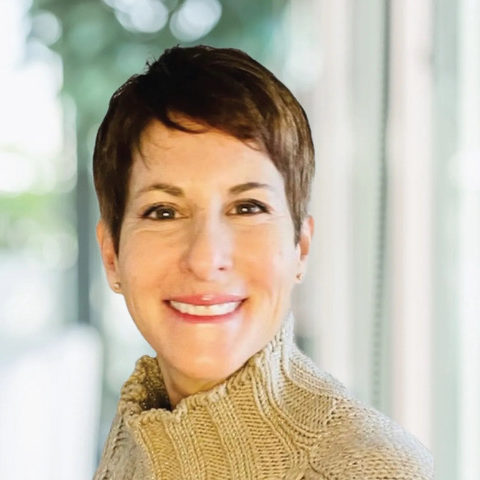
I had an opportunity to meet Dionna Dorsey a couple of years back and was struck by her strong desire to champion others. She is someone who embodies creativity, purpose, and impact. She wears many hats, and she wears them well. Dionna is the co-founder and CEO of The Creative Ladder, a nonprofit dedicated to fostering a more inclusive generation of creative professionals. She’s also the founder of District of Clothing, an online retail brand that champions changemakers, and she runs Dionna Dorsey Design, where she helps brands bring their visions to life.
Dionna’s work isn’t just about business, it’s about building community, inspiring confidence, and opening doors for those who haven’t always had a seat at the table. I can’t wait to dive into this conversation and learn even more about what drives her, how she stays inspired, and what advice she has for creatives navigating their own journeys.
I can’t help myself. I need to know. What were you like as a kid?
I love this question. I was incredibly inquisitive, had a huge imagination and was equally shy–until I wasn’t. I wanted to know more about everything. How does the tv work? What happened to the previous day when I woke up in the morning? There were years when I was teased and didn’t have many friends, but that later changed as I became more confident. Oh, and I loved to color with crayons, watch cartoons, and take pictures.
You’ve built multiple brands that champion creativity and inclusivity. What sparked your passion for this work?
My passion was sparked by being surrounded by creativity—including my own—but not always knowing the path forward for what was bursting within me, both creatively and professionally. That uncertainty fueled my drive to seek, and eventually build spaces where others could connect, see what’s possible, feel supported, and be empowered to thrive.
The Creative Ladder is such a powerful initiative. Can you share what inspired its creation and what impact you hope to make?
Absolutely. The Creative Ladder was born from a deep desire to create a more inclusive and accessible creative industry—one that truly reflects the country and world we live in. Throughout my career, I saw firsthand how talented, diverse individuals often faced barriers to entry, lacked mentorship opportunities and a sense of belonging, or struggled to see a clear path to leadership. It was clear that creativity and talent weren’t the issue—access, representation, opportunity and support were. Co-founding The Creative Ladder was about addressing that gap head-on. Our mission is to connect, inspire, and elevate rising creative talent, particularly those from underrepresented backgrounds, by providing leadership development, mentorship, networking opportunities, and career development resources.
Since launching, we’ve seen an incredible response—people who once felt disconnected from the industry now have a community and a pathway forward. My hope is that The Creative Ladder not only helps creatives build sustainable, fulfilling careers but also transforms workplaces into more equitable, dynamic, and innovative spaces. I am a firm believer that creativity flourishes when everyone has a seat at the table–or feels empowered to design their own–and we’re here to help ensure that happens.
Running a nonprofit, a retail brand, and a design company is no small feat. How do you balance your creative energy across these different ventures?
I don’t seek balance—I seek harmony. I’ve learned to put myself at both the top and bottom of my to-do list, tending to what I need so I can fully show up for myself, the work, and others. My creative energy isn’t limitless, so I work hard to recognize my boundaries and honor them as they shift. I don’t believe that things are generally constant, so I try to move with intention, flexibility, purpose and grace.
District of Clothing isn’t just a brand—it’s a movement. How do you see fashion as a tool for activism and empowerment?
Fashion has always been a powerful tool for expression and transcendence, and for me, it was rooted in the belief that, as James Baldwin said, “the artist’s responsibility is to tell others what they know to be true.” District of Clothing became a way to do just that. The apparel served as both armor and amplifier—for activists, yes, but truly for everyday people doing the work. It provided an additional way to express their values and beliefs boldly, to wear their truth, and to move through the world with purpose and pride. It’s also a reminder to get off the sidelines and jump in—because progress needs all of us.

What are some of the biggest barriers to inclusivity in creative industries, and how can we work to break them down?
One of the biggest barriers to inclusivity in the creative industries is access—access to opportunities, networks, mentorship, and leadership pathways. For far too long, creative industries have operated within very closed circles, where opportunities frequently come from whom you know rather than what you can do and how innovative you may be. This disproportionately affects individuals from underrepresented backgrounds who may not have those initial connections or visibility.
Another significant challenge is retention and advancement. Oftentimes when diverse talent enter the industry, they lack the support, mentorship, and professional development needed to grow into leadership roles. Without clear pathways for career progression and advocates, many promising creatives leave the industry or burnout before reaching their full potential.
I’d be remiss to note that bias, both conscious and unconscious, also plays a major role here. From hiring practices to the stories that are chosen to be told, there’s still work to be done in ensuring that diverse perspectives are seen, heard, valued and celebrated—not just included as an afterthought or a trend.
To break these barriers down, we need to be intentional about creating access and opportunities. This means expanding hiring pipelines beyond traditional sources, investing in mentorship and leadership development programs, and ensuring workplaces foster a culture of belonging where everyone can thrive. The Creative Ladder is committed to being a part of this solution by providing the development opportunities, resources, and connections that help diverse creatives not only enter the industry but excel in it and make a profound impact. It’s about purposely shifting from performative inclusion to real, measurable impact—because when creativity is truly inclusive, the entire industry benefits. Honestly, the entire world does.
Has there been a particular moment in your career where you felt like you were truly making a difference?
Absolutely—every single time I see one of our Creative Ladder Rising Leaders climbing in their career, and especially when they turn around to give back—whether by volunteering, mentoring, or donating—I know we’re making a real, tangible difference. That full circle moment, where someone we’ve supported chooses to uplift others or hold the ladder steady for those climbing up behind, is incredibly powerful. It’s a reminder that the impact is growing far beyond just one person.
Many creatives struggle with imposter syndrome. Have you ever experienced it, and if so, how do you push past it?
Absolutely—and honestly, it’s one of my biggest challenges. Just when I feel like I’ve moved past imposter syndrome, a new portion of the journey or another level of success brings it right back in a different form. It’s a constant practice of reminding myself that I’ve earned my seat, I can create my own tables, that I’m prepared, and that I belong. I try to quiet the noise by focusing on the impact, staying rooted in my faith and purpose, and surrounding myself with people who reflect the truth back to me when I forget.
If you could go back and give young Dionna one piece of advice, what would it be?
This is all going to make sense one day–sooner than you realize. Keep taking those risks and no matter what, just keep going.
Creativity can be unpredictable. What keeps you inspired and motivated, especially during challenging times?
My faith, my family, my community at large, and my purpose keep me grounded—especially when creativity feels unpredictable due to the uncertainty of the world. I’ve learned to trust that even in quiet or challenging seasons, inspiration always returns, but only if you nurture it. My creativity and I are in this together, and I honor that relationship with patience, gratitude, sleep, travel and grace. Surrounding myself with people who pour into me and staying connected to the “why” behind my work always helps me find my way back.
Can you share what’s coming up next for you? What projects or collaborations are on the horizon?
Not just yet! 😉
Thank you, Dionna, for sharing your journey, wisdom, and passion with us. What really stood out to me was when you said, “… to move through the world with purpose and pride. It’s also a reminder to get off the sidelines and jump in—because progress needs all of us.” You’ve given us so much to think about and, more importantly, to act on. I can’t wait to see how The Creative Ladder, District of Clothing, and all your future projects continue to shape the creative world for the better.
Thanks again for your time, your energy, and your incredible work!